RAPID CITY — Mental health needs in tribal rural communities require focused, local action. Distance from services, limited providers, and high rates of crisis place pressure on families and community systems. Culture, language, and history shape how people seek help. Programs work best when communities guide the work and trust leads each step.
Across South Dakota, nine tribal nations face these realities every day. Great Plains Tribal Health runs a program focused on rural mental health response and prevention. The program centers tribal knowledge, builds local skills, and connects people during moments of loss and crisis.
Rural Challenges and Community Strengths
You see unique strengths in tribal rural communities. Strong kinship ties support healing. Cultural practices offer grounding and identity. At the same time, geographic isolation limits access to care. Travel time blocks urgent help. Stigma keeps people silent. A shortage of trained counselors adds strain.
Effective mental health work meets people where they live. Training local members builds long term support. Outreach at community events reaches people who avoid clinics. Cultural relevance builds trust.
Great Plains Tribal Health Response
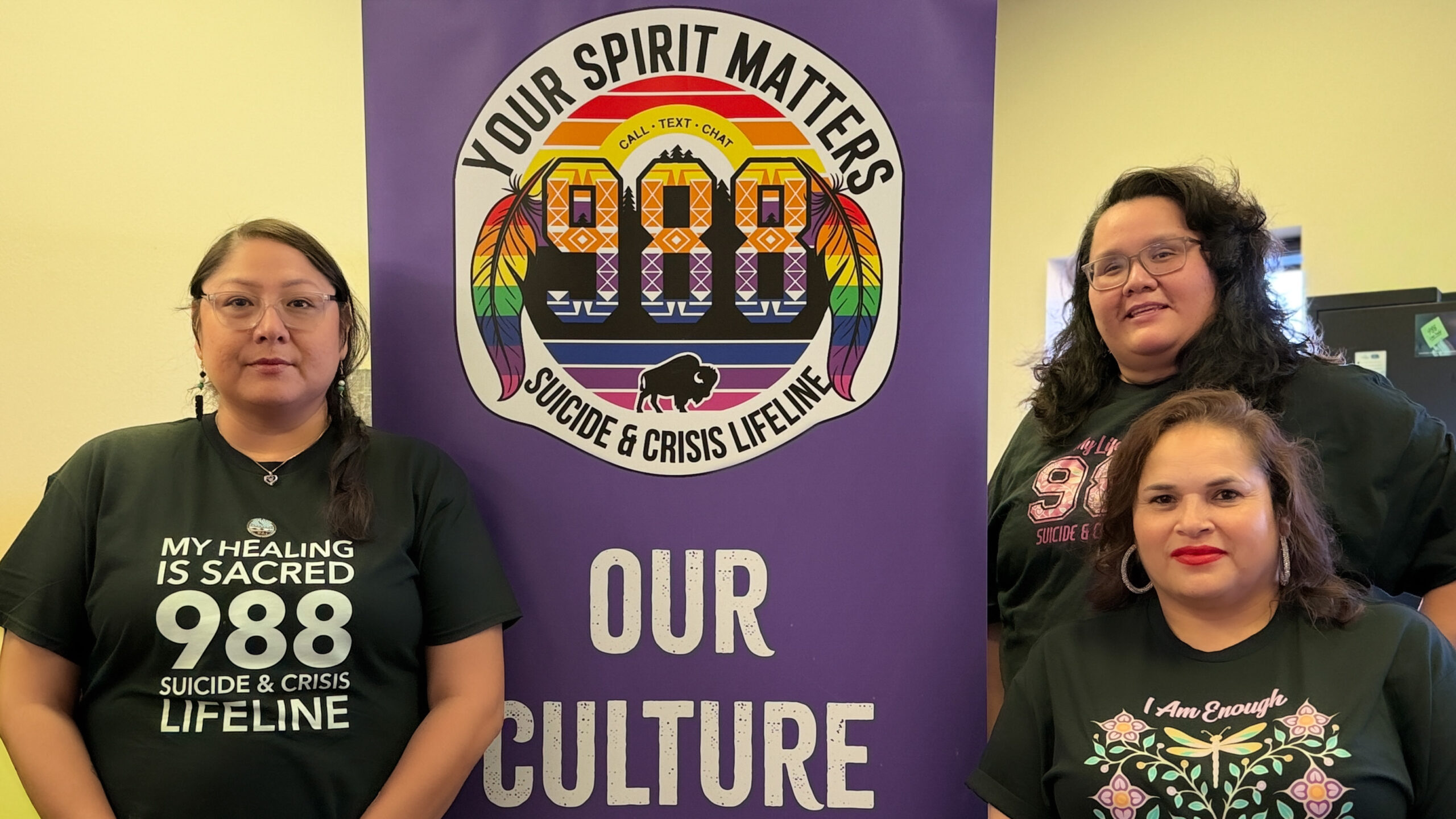
The 988 Tribal Response program at Great Plains Tribal Health addresses mental health across the nine tribal communities in South Dakota. The program works through training, outreach, and crisis support.
Key program efforts include:
Circle of Courage Training
The program contracts Lost and Found to deliver Circle of Courage training on all nine reservations. Community members learn about belonging, mastery, independence, and generosity. These values support youth and adults facing stress and trauma. Local delivery keeps training accessible.
Lakota Mental Health First Aid
The program partners with Ethleen Iron Cloud Two Dogs to host Lakota Mental Health First Aid trainings. Four in person sessions and two online sessions stand in planning stages. Trainings take place across different tribal reservations in South Dakota. Participants learn how to recognize mental health concerns and how to respond with cultural awareness.
QPR Training
Question, Persuade, Refer training sessions stand in the planning phase. These sessions focus on suicide prevention skills. Community members learn how to identify warning signs and connect people to help.
School and Crisis Response Partnerships
The program networks with schools and each reservation’s crisis response efforts. These partnerships strengthen communication during emergencies. Shared planning improves response speed and coordination.
Supporting Families After Loss
Suicide loss leaves deep pain across families and communities. The program supplies Hope Baskets to tribal contacts for family members who lost loved ones to suicide.
Each Hope Basket includes: Water
- A journal
- A blanket
- Local mental health contact information
- A wokpan, a bag of Lakota or Dakota traditional herbal medicine
These items offer comfort during early grief. Cultural medicine honors tradition and supports healing.
Ongoing Outreach to Youth and Communities
The program sends stickers and outreach materials to reservation schools throughout the year. Youth engagement builds awareness early. Familiar materials keep crisis resources visible.
Navigator staff plan visits to large tribal pow wows, horse relay racing events, and rodeos. Presence at these gatherings supports informal connection. Outreach outside clinical settings reaches people who avoid formal services.
Building Local Grief Support
Grief support strengthens communities after loss. The program trained members from five tribal communities in the Grief Recovery Method. Trained members serve the following nations:
- Oglala Sioux Tribe
- Lower Brule Sioux Tribe
- Cheyenne River Sioux Tribe
- Rosebud Sioux Tribe
- Sisseton Wahpeton Oyate
These individuals lead grief support groups within home communities. Local leadership supports trust and participation.
Strengthening Crisis Response
The program contracts with the South Dakota 988 call center to fund the Native American Crisis Counselor position. Tori Standing Cloud serves in this role. Dedicated Native representation improves cultural understanding during crisis calls. This role strengthens response quality for tribal callers.
Why This Approach Matters
You benefit when mental health services reflect culture and community voice. Training local members builds capacity. Outreach at community events reduces barriers. Partnerships across schools, crisis teams, and health systems improve coordination.
Great Plains Tribal Health shows how focused investment supports rural tribal mental health. Community-driven work builds resilience and connection across South Dakota’s tribal nations.