Jerilyn Church joins national call on risks to Native care and Oyate Health Center
Tribal healthcare experts, policy officials and system leaders from across the country are raising concerns about proposed federal funding changes that could affect care in Native communities.
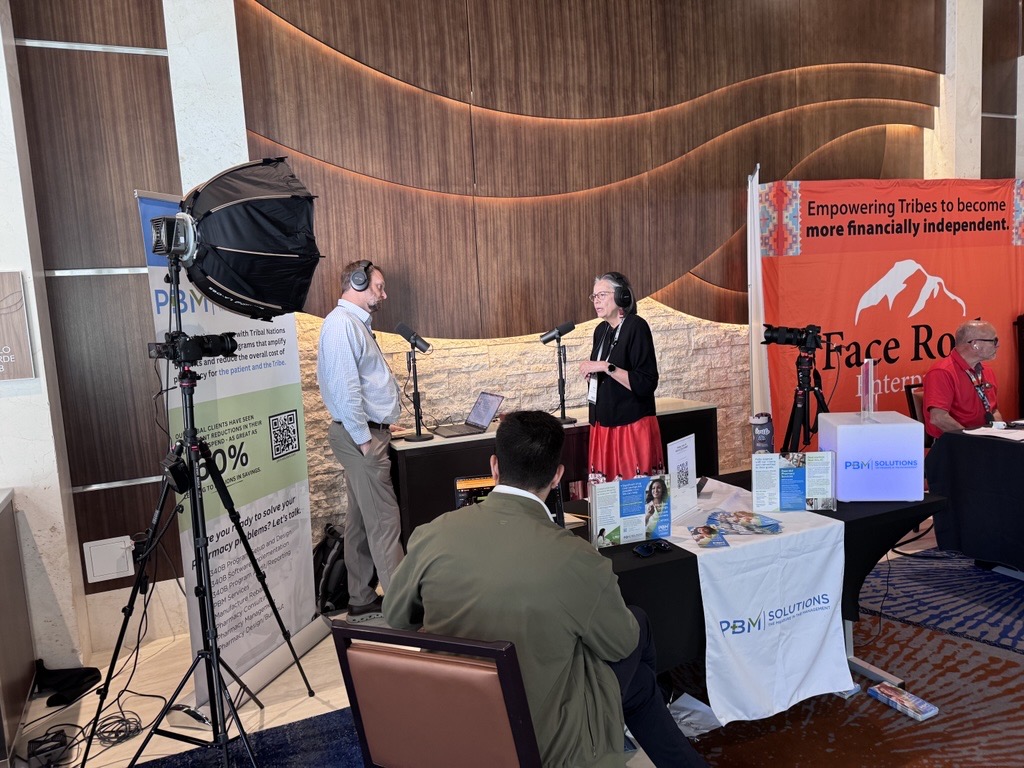
During a recent episode of Native America Calling, a national call-in radio program focused on Indigenous issues, health professionals and policy strategists discussed how reductions to key programs could impact patients and providers.
The discussion comes as President Donald Trump’s proposed federal budget outlines potential reductions to several health programs. According to the proposal and discussion on the program, the plan includes what could be a 75 percent cut to the Special Diabetes Program for Indians, along with reductions to Indian Health Service facility construction, maintenance and sanitation funding. It also outlines broader reductions across the Department of Health and Human Services, raising concerns about impacts to rural hospitals and Medicaid funding.
The discussion featured Jerilyn Church, chief executive officer of the Great Plains Tribal Leaders Health Board, along with National Indian Health Board CEO A.C. Locklear, United South and Eastern Tribes Sovereignty Protection Fund policy director Liz Malerba and Acoma Pueblo Health Board Chairman Kurt Riley.
Church said cuts to the Special Diabetes Program for Indians would have immediate consequences in the Great Plains, where Native communities face disproportionately high rates of the disease.
“Diabetes, our population is disproportionately impacted by diabetes,” Church said. “Cutting that program would have a terrible impact.”
She said the program has shown measurable success in reducing complications and improving long-term outcomes.
“To lose that program would be devastating in our region,” Church said.
Other guests described the program as one of the most effective federal investments in Native health, pointing to long-term progress in reducing severe diabetes-related conditions.
The proposed budget also includes potential reductions to Indian Health Service infrastructure, including water and sanitation systems. Church said many communities in the Great Plains are already relying on outdated systems that struggle to meet current demand.
“The infrastructure is antiquated and is in need of replacement,” she said.
She pointed to long-standing water access issues in the region as an example of the need for sustained investment, noting some systems were built decades ago and have not kept pace with population growth.
Participants in the discussion also raised concerns about possible cuts to federal health research. Church said Native communities are often underrepresented in national studies, limiting the ability to develop targeted solutions.
“In order to be precise about what’s going to work in our communities, we need research dollars,” she said.
Malerba said tribal health systems depend on a wide range of federal programs beyond the Indian Health Service, many of which could be affected.
“We’re accessing funding throughout,” she said.
Locklear emphasized that tribal health systems are closely tied to the broader rural healthcare network, including non-tribal hospitals and clinics that serve Native patients.
“Any reduction in services across the board is a real loss to the ability to provide for health outcomes,” he said.
Medicaid was another central concern. The program serves as a major funding source for tribal health systems, supporting staffing, referrals and access to specialty care.
“A great majority of our population are Medicaid eligible,” Church said. “Any cuts are going to be devastating to our systems.”
Riley, speaking from Acoma Pueblo, described the challenges rural facilities face, including aging infrastructure, workforce shortages and long travel distances for care. His facility serves multiple tribal communities and sees hundreds of patients each month.
“Any cut anywhere is always going to hurt us,” Riley said.
He said reductions in federal support could force facilities to scale back services, even as demand continues to grow.
The discussion also highlighted the complexity of the federal budget process. While the president’s proposal outlines potential changes, Congress ultimately determines funding levels. Malerba said tribal representatives are working with lawmakers to protect key programs and prevent reductions from being enacted.
Even with some proposed increases to Indian Health Service funding, participants said those gains do not offset broader pressures across federal health programs and rural systems.
Church said tribal systems in the Great Plains are focused on long-term stability, especially as more tribes explore self-governance and expanded control over their healthcare systems.
The outcome of the federal budget process will shape access to healthcare for Native communities nationwide, including those served by the Oyate Health Center, where demand continues to grow across western South Dakota.